
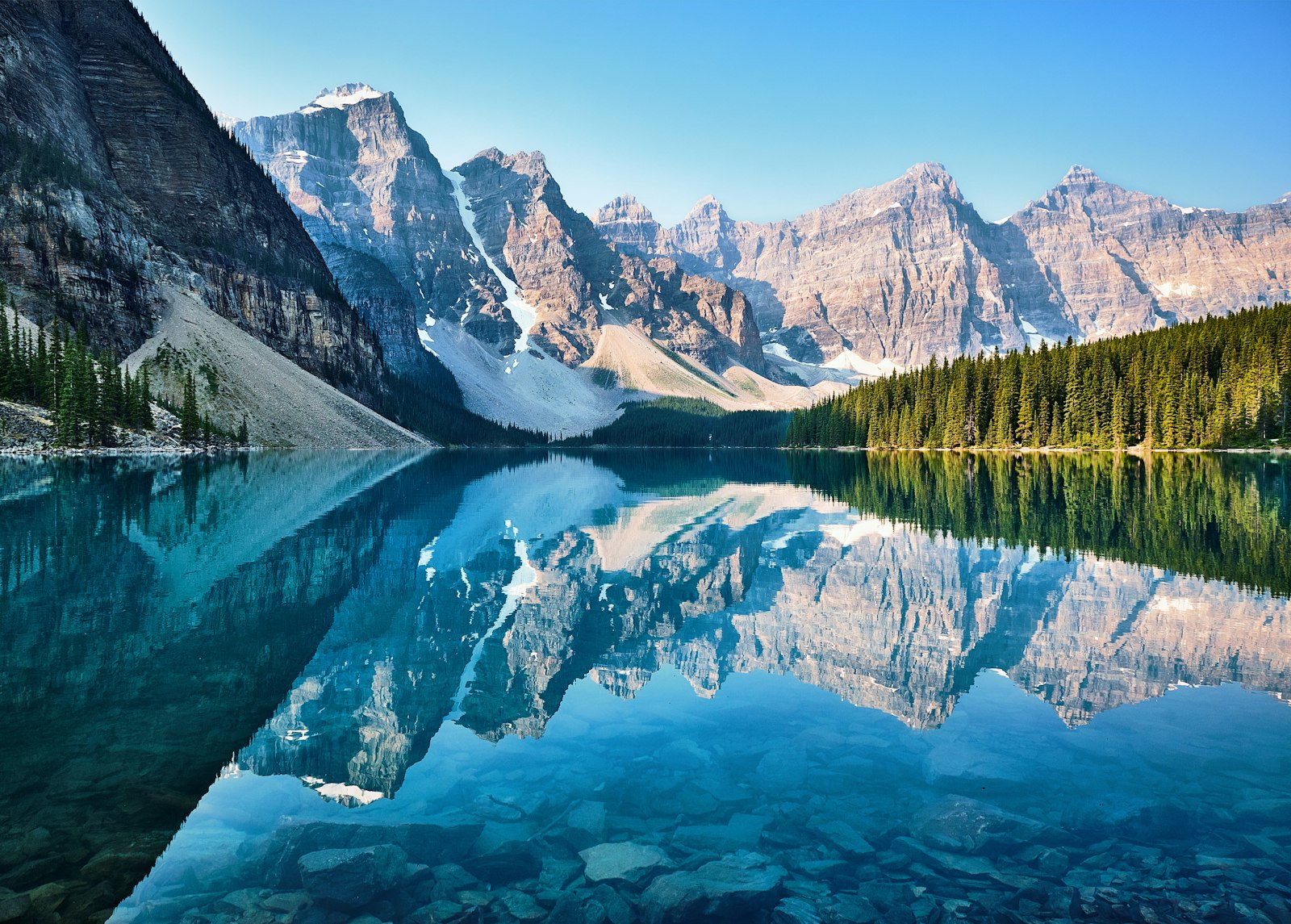
Study in Canada from Bangladesh
High-quality education, welcoming communities and clear pathways to PR.
Tuition (per year)
CAD 15,000 – 45,000
Living Cost
CAD 22,895 / year
Main Intakes
September & January
Part-time Work
24 hrs / week
Post-study Work
PGWP up to 3 years
Student Visa
Study Permit
Why Study in Canada?
Canada combines top-ranked universities with an affordable cost of study, a safe multicultural society and one of the world’s clearest routes from student to permanent resident. Graduates can work for up to 3 years on a Post-Graduation Work Permit (PGWP).
Globally Recognised Degrees
Universities like Toronto, UBC and McGill rank among the world’s best.
Post-Graduation Work Permit
Work for up to 3 years after graduating from an eligible program.
Pathway to PR
Canadian education and work experience boost your score under Express Entry and provincial programs.
Safe & Welcoming
Canada is one of the safest countries in the world with a large South Asian community.
Co-op Programs
Many programs include paid co-op terms, giving you real Canadian work experience.
College & University Options
Choose practical college diplomas or academic university degrees depending on your goals.
Education in Canada
Canada has public universities, colleges and polytechnics. Only Designated Learning Institutions (DLIs) can host international students. Colleges offer career-focused diplomas and postgraduate certificates, while universities offer bachelor’s, master’s and PhD degrees.
| Level | Duration | Notes |
|---|---|---|
| Certificate / Diploma | 1 – 3 years | Colleges — hands-on, career focused |
| Postgraduate Certificate | 1 – 2 years | Popular with graduates; check PGWP field rules |
| Bachelor's Degree | 4 years | Co-op options available |
| Master's Degree | 1 – 2 years | Course-based or thesis-based |
| PhD | 4 – 6 years | Usually funded |
Popular Universities in Canada
A selection of highly ranked and student-favourite institutions. Our counsellors will shortlist the best fit for your profile and budget.
University of Toronto
Toronto, ON
Canada’s top-ranked university
University of British Columbia
Vancouver, BC
Global top 50
McGill University
Montreal, QC
Research-intensive
McMaster University
Hamilton, ON
Health sciences
University of Waterloo
Waterloo, ON
Engineering & co-op
University of Alberta
Edmonton, AB
Engineering & energy
University of Calgary
Calgary, AB
Business & engineering
University of Ottawa
Ottawa, ON
Bilingual capital-city university
Dalhousie University
Halifax, NS
Atlantic Canada
Concordia University
Montreal, QC
Affordable Quebec option
Humber Polytechnic
Toronto, ON
Leading college
Conestoga College
Kitchener, ON
Career-focused programs
Most In-demand Courses
When Can You Start?
Start your application early — popular courses and scholarships fill up fast.
September
Fall · Main intake
Most programs and scholarships. Apply 8–12 months ahead.
January
Winter intake
Good choice of college and some university programs.
May
Summer (limited)
Mostly colleges and selected programs.
Tuition & Living Costs in Canada
Tuition Fees
- College DiplomaCAD 13,000 – 22,000 per year
- Postgraduate CertificateCAD 15,000 – 25,000 per year
- Bachelor's DegreeCAD 20,000 – 45,000 per year
- Master's DegreeCAD 17,000 – 45,000 per year
- PhDOften funded
Living Expenses
- AccommodationCAD 700 – 1,500 / month
- FoodCAD 300 – 500 / month
- TransportCAD 80 – 150 / month
- Phone & InternetCAD 50 – 100 / month
- Health InsuranceCAD 600 – 1,000 / year
To get a study permit you must show at least CAD 22,895 for living costs (single applicant, outside Quebec) plus your first-year tuition and travel. Many students use a GIC to show part of these funds.
Scholarships to Study in Canada
Strong academic results, a good English score and an early application all improve your chances.
Lester B. Pearson Scholarship
University of Toronto’s full scholarship covering tuition, books and residence for 4 years.
UBC International Scholars
Merit and need-based awards for outstanding international undergraduates.
Entrance Scholarships
Most universities and colleges offer CAD 2,000 – 20,000 automatically based on grades.
Graduate Funding
Research master’s and PhD students often receive funding packages through supervisors.
Admission Requirements for Bangladeshi Students
Requirements vary by university and course — these are typical ranges.
Academic
College Diploma
HSC pass, GPA 3.0+
Bachelor's
HSC GPA 4.0+ with relevant subjects
Master's
Bachelor's with CGPA 3.0+ (B average)
Study Gap
Accepted with proof of work or other activity
English Proficiency
- IELTS Academic6.0 – 6.5 (no band below 5.5 – 6.0)
- PTE Academic58 – 65+
- TOEFL iBT80 – 90+
Documents Checklist
- Valid passport
- Letter of Acceptance (LOA) from a DLI
- Provincial / Territorial Attestation Letter (PAL/TAL), where required
- Academic certificates & transcripts
- IELTS / PTE / TOEFL score
- Proof of funds (GIC, bank statement, sponsor)
- Statement of Purpose / study plan
- Upfront medical exam & biometrics
Canadian Study Permit
Apply online through your IRCC account with your Letter of Acceptance and, in most cases, a Provincial Attestation Letter (PAL). Your study plan, financial documents and ties to Bangladesh are the key factors.
Permit Fee
CAD 150
Biometrics
CAD 85
Funds to Show
CAD 22,895 + tuition
Processing
6 – 12 weeks (typical)
Step-by-step Visa Process
- 1Get Letter of Acceptance from a DLI
- 2Receive PAL/TAL from the province (if required)
- 3Pay tuition deposit and buy GIC
- 4Complete upfront medical exam
- 5Submit application online via IRCC
- 6Give biometrics at VFS Dhaka
- 7Receive approval and port-of-entry letter
Work While You Study & After Graduation
During Your Studies
Up to 24 hours per week off campus during academic sessions and full-time during scheduled breaks. On-campus work has no fixed limit.
After Graduation
The Post-Graduation Work Permit (PGWP) is valid for up to 3 years. College graduates must study in an eligible field, and all applicants must meet the PGWP language requirement (CLB 7 for university, CLB 5 for college graduates).
Spouses of master’s (16+ months) and PhD students may be eligible for an open work permit.
How Lexis Helps You Study in Canada
From your first counselling session to the day you fly — we support you at every step.
Free Counselling
One-to-one session to understand your profile, budget and goals.
Country & University Selection
Shortlist the right universities and courses for your academic background.
Application & Offer Letter
We prepare and submit your applications and follow up on offers.
IELTS / PTE / TOEFL Preparation
In-house test preparation at Lexis to reach the score you need.
SOP & Document Support
Guidance on Statement of Purpose, CV and financial documents.
Visa Filing & Interview Prep
Complete visa file preparation and mock interviews.
Scholarship Guidance
Find and apply for scholarships you are eligible for.
Pre-departure Briefing
Accommodation, travel and settling-in support before you fly.
Your Study Abroad Journey
Free Counselling
Discuss your goals, academic profile and budget with our counsellors.
English Test
Prepare and sit IELTS, PTE or TOEFL with Lexis.
University Application
Choose courses and submit applications with the right documents.
Offer & Acceptance
Receive your offer, accept it and pay the deposit.
Visa Application
Prepare your financials and file your student visa.
Fly & Settle
Pre-departure briefing, accommodation and arrival support.
Frequently Asked Questions about Canada
What is a PAL and do I need one?
A Provincial Attestation Letter confirms you fit within a province’s study permit allocation. Most students need one; your institution requests it for you after you accept the offer.
How much money do I need to show for Canada?
At least CAD 22,895 for one year of living costs plus first-year tuition and travel. A GIC from a participating bank is the most common way to show part of it.
Can I get PR after studying in Canada?
Many graduates use their PGWP experience to apply through Express Entry or Provincial Nominee Programs. PR is never guaranteed but Canadian study and work experience help a lot.
College or university — which is better?
Colleges are cheaper and practical; universities are more academic and recognised worldwide. Your choice should match your career plan and the PGWP field-of-study rules.
Can my spouse come with me?
Spouses can apply for a visitor visa, and those of master’s (16+ months) and PhD students may get an open work permit.
Other Study Destinations



Ready to Study in Canada?
Talk to our counsellors for a free profile assessment and a personalised university shortlist.
Get Free CounsellingFees, funds requirements and visa rules are indicative and change frequently. Please confirm the latest information with our counsellors or the official immigration website before applying.